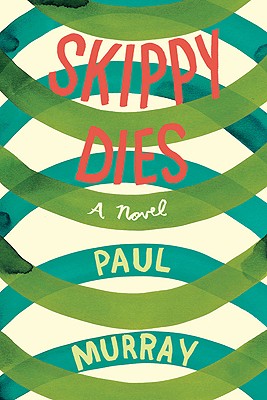
Definitely have the admire the effort behind this 700 page book about a group of boys at a an Irish Catholic boarding school. This is a spanking new author and this book was considered one of the best of 2010. And it's also being made into a movie.
I enjoyed it, and even though it was long it kept my interest. The description of the book on the book flap is not concise. By reading that you think this book is a "whodunit" but it is far from that! I was interested in the sometimes sad, other times funny book due to its great character driven plot. There are some extremely disturbing characters while others just simply seemed confused. Because of my job I was particularly interested in the prescription drug abuse that took place here but I don't know if anyone else would be.
I also don't know if I'd recommend this to someone who isn't an avid reader, and I say that because this a book that you should pay attention to (it's easy reading, but then it switches to unexpected intellectual prose that might annoy some people who just want to get to the point of the story.
Here is a proper synopsis of the Skippy Dies plot. Taken from goodreads:
Ruprecht Van Doren is an overweight genius whose hobbies include very difficult maths and the Search for Extra-Terrestrial Intelligence. Daniel 'Skippy' Juster is his roommate. In the grand old Dublin institution that is Seabrook College for Boys, nobody pays either of them much attention. But when Skippy falls for Lori, the Frisbee-playing Siren from the girls' school next door, suddenly all kinds of people take an interest – including Carl, part-time drug-dealer and official school psychopath.
While his teachers battle over modernisation, and Ruprecht attempts to open a portal into a parallel universe, Skippy, in the name of love, is heading for a showdown – in the form of a fatal doughnut-eating race that only one person will survive. This unlikely tragedy will explode Seabrook's century-old complacency and bring all kinds of secrets into the light, until teachers and pupils alike discover that the fragile lines dividing past from present, love from betrayal – and even life from death – have become almost impossible to read

No comments:
Post a Comment